Prof. Aurora Martínez Ph.D.
Department of Biomedicine, University of Bergen, Norway
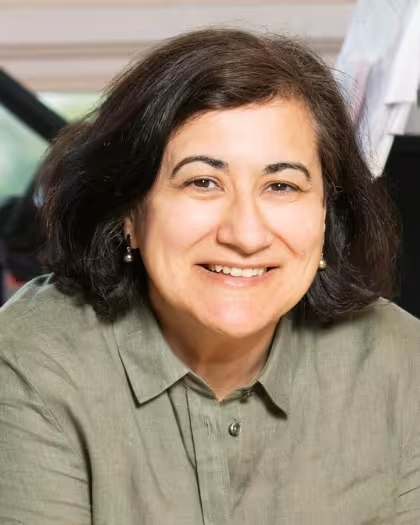
Aurora Martínez is a Professor at the Department of Biomedicine, University of Bergen, Norway. Her research focuses on the structure–function relationships and regulatory mechanisms of tyrosine hydroxylase (TH) and phenylalanine hydroxylase (PAH), linked to TH deficiency and phenylketonuria (PKU), respectively. By integrating biochemical, structural, and animal studies, her group investigates how enzyme instability drives disease and is developing targeted, mechanism-based therapies, with a special focus on PKU.
– Structural recognition and stabilization of tyrosine hydroxylase by the J-domain protein DNAJC12
Website: https://www4.uib.no/en/find-employees/Aurora.Martinez

Assoc. Prof. Jakub Sedzinski, Ph.D.
Novo Nordisk Foundation Center for Stem Cell Medicine (reNEW), University of Copenhagen
Jakub’s team investigates the molecular and mechanical principles that guide the differentiation and renewal of these tissues from stem cells, to advance therapies for respiratory diseases. To address these questions, the group combines cell and developmental biology with physics and computational modeling, using both Xenopus embryos and human-derived organoids. Jakub earned his Ph.D. at the Max Planck Institute of Molecular Cell Biology and Genetics in Dresden and continued his postdoctoral research at the University of Texas at Austin before joining University of Copenhagen in 2017.
– Single-cell morphodynamics predict cell fate decisions during mucociliary epithelial differentiation
Prof. Mark Q. Martindale, Ph.D.
The Whitney Laboratory of Marine Bioscience, University of Florida
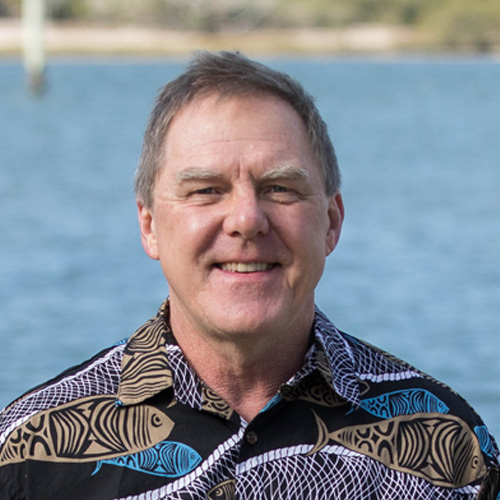
Dr. Martindale obtained a B.A. in natural sciences at New College of the University of South Florida and earned his Ph.D. in zoology at the University of Texas at Austin. After spending 9 years on the faculty at the University of Chicago, Dr. Martindale was recruited the University of Hawaii and ultimately assumed the Directorship of the Kewalo Marine Lab in Kaka’ako. In 2010 Dr. Martindale and Dr. Max Telford initiated an open access journal called EvoDevo (http://www.evodevojournal.com/). Dr. Martindale was the Director of the Whitney Laboratory for Marine Bioscience from December 2012 to December 2024.
Website: https://www.whitney.ufl.edu/people/current-research-faculty/mark-q-martindale-phd/