News page

Success at XXIV. Meeting of Biochemists and Molecular Biologists

Members of our laboratory actively participated in the XXIV. Meeting of Biochemists and Molecular Biologists, contributing to both the Youth Section and the Poster Section. Jakub Jeníček delivered a talk titled “The structural investigation of NKR-P1B: a case study to compare rat and human NK cell receptors”, for which he received an Honourable Mention (shared […]

Our Work Featured on the Cover of JACS Au

We are pleased to share that a new collaborative publication “Engineering a Functional Histidine Brace Copper‑Binding Site into a De Novo‑Designed Protein Scaffold” has been selected for the cover of JACS Au (Journal of the American Chemical Society – Au). The cover illustration highlights the main concept of our study and represents a significant recognition from […]

Siglec-7 and Immune Evasion – Our Research Featured on the Faculty Website

Our team’s research has been highlighted in the news section of the Faculty of Science, Charles University! In the article entitled “How Unwanted Visitors Tricked the Immune System“, the study describes how tumour cells and pathogens evade immune surveillance by mimicking host surface glycan structures. These invaders exploit sialic acid–decorated “sugar ID cards” to engage […]

Group leader Ondřej Vaněk presents at the Junior Faculty Conference 2025

On 26 September 2025, the first-ever Junior Faculty Conference 2025 at the Faculty of Science, Charles University brought together early-career researchers to discuss academic development, networking, and strategies for building a successful research environment. RNDr. Ondřej Vaněk Ph.D., head of our laboratory and Vice-Head of the Junior Faculty Focus Group for Campus Development (FG4), delivered […]

New paper is out! Nanoscale insights into therapeutic antibody function with RESI microscopy

We are proud to share the latest article co-authored by our lab member Ondřej Skořepa, titled:“Resolving the structural basis of therapeutic antibody function in cancer immunotherapy with RESI”, published in Nature Communications! This study uncovers how the nanoscale organization of CD20 receptors determines the functional differences between Type I and Type II therapeutic anti-CD20 antibodies […]

Two New Collaborative Papers Reveal Mechanisms of Siglec-7 Ligand Binding

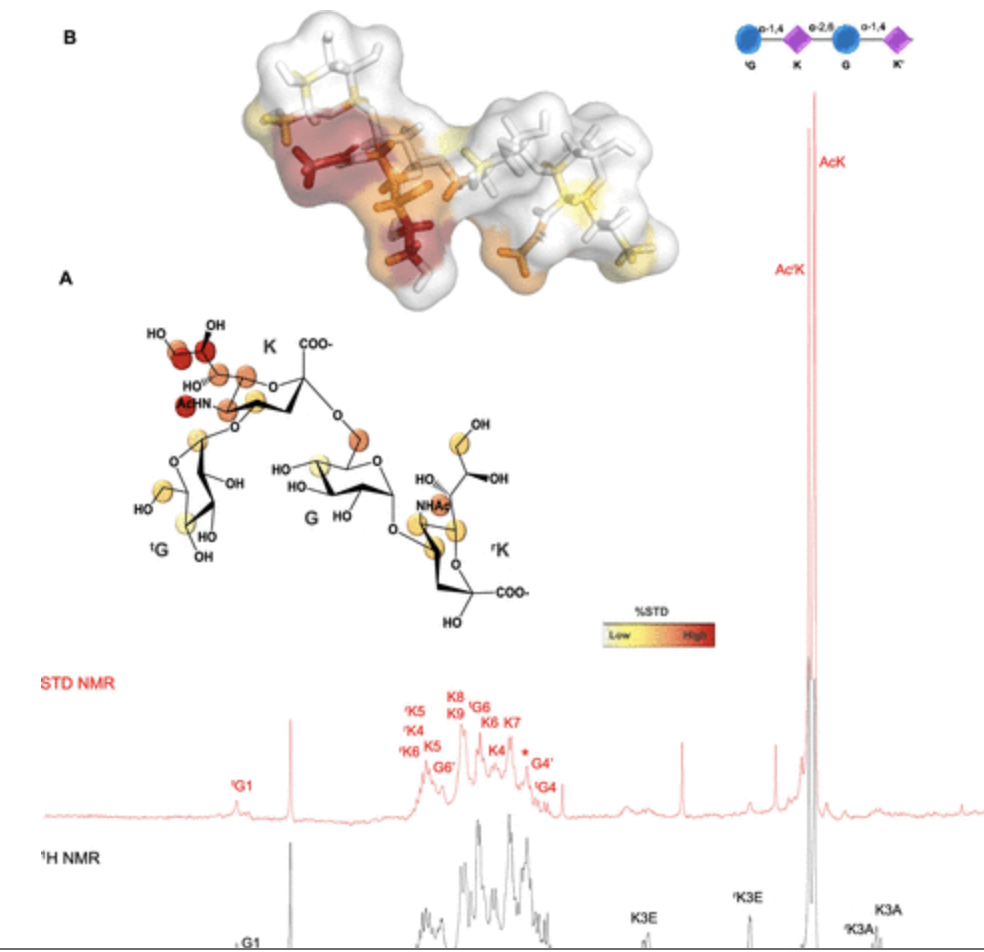
Our laboratory has contributed to two newly published studies investigating the role of Siglec-7, an inhibitory receptor expressed on natural killer (NK) cells, in immune regulation through its interactions with glycan ligands in both cancer and bacterial infection contexts. In the first study, researchers examined how Siglec-7 recognises the tumour-associated ganglioside GD3, a disialylated glycosphingolipid […]

Our Article Featured on Bluesky Account of the Faculty of Science

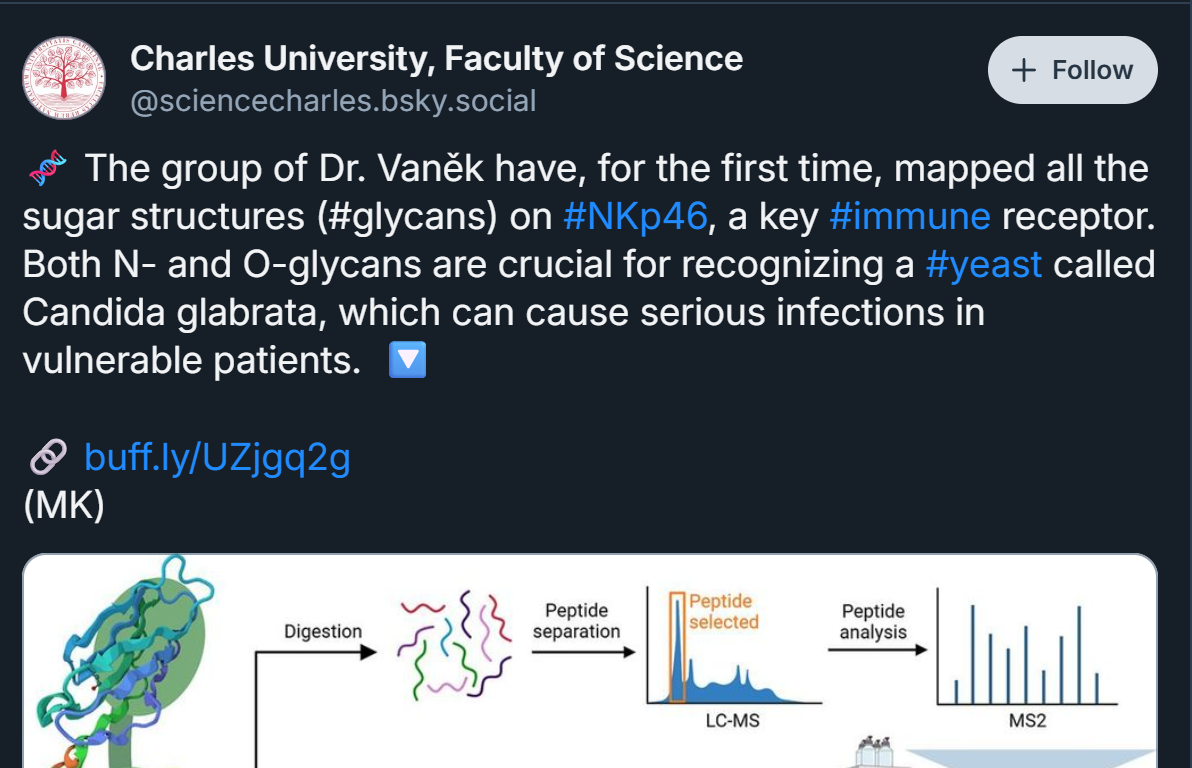
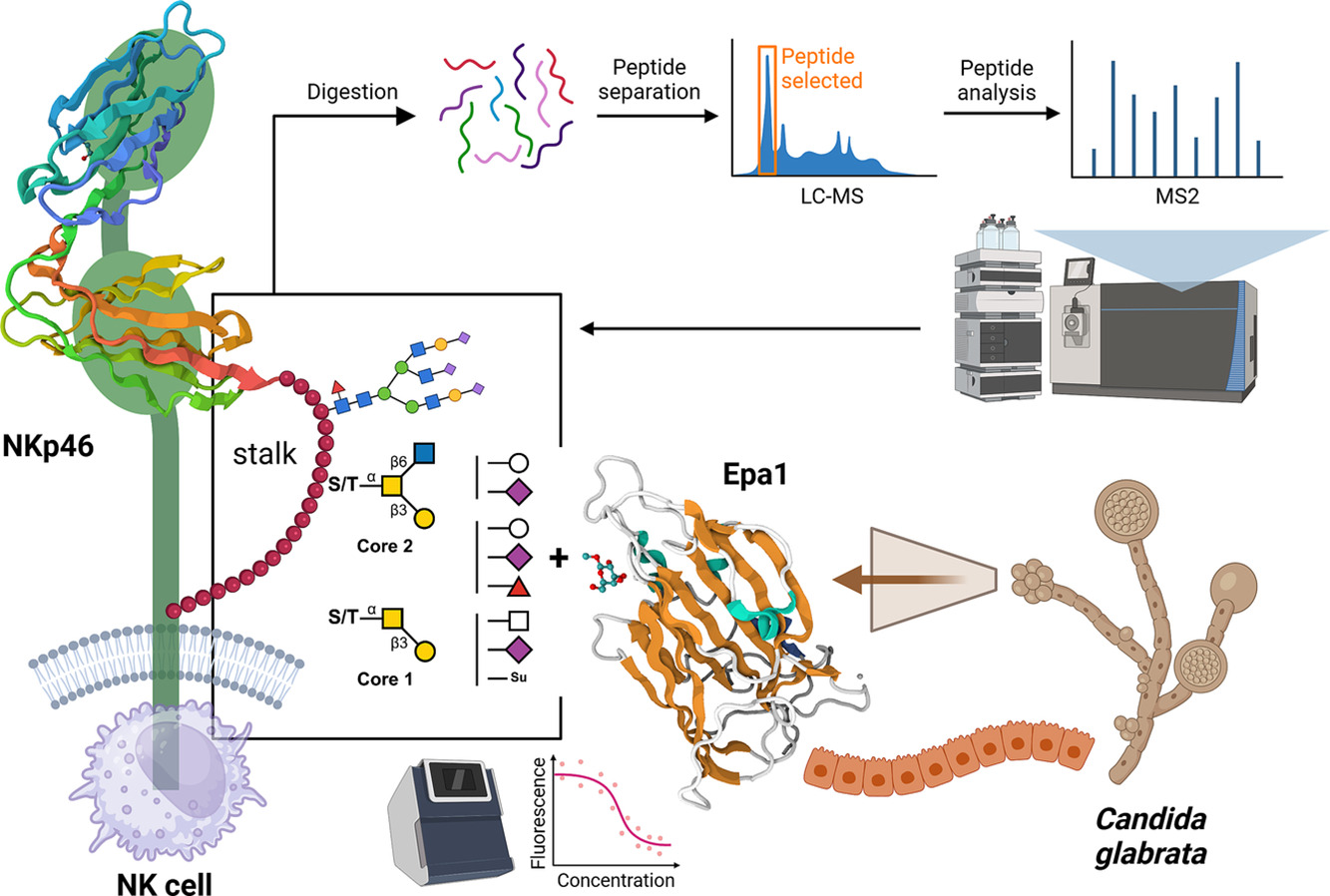
We’re proud to share that our recent publication has been highlighted on the official Bluesky account of the Faculty of Science, Charles University! The post features our article highlighting the first full mapping of both N- and O-linked glycan structures on the immune receptor NKp46. Our findings reveal how these glycans are essential for recognising […]

A new paper has been published in cooperation with an Italian laboratory of prof. Alba Silipo!

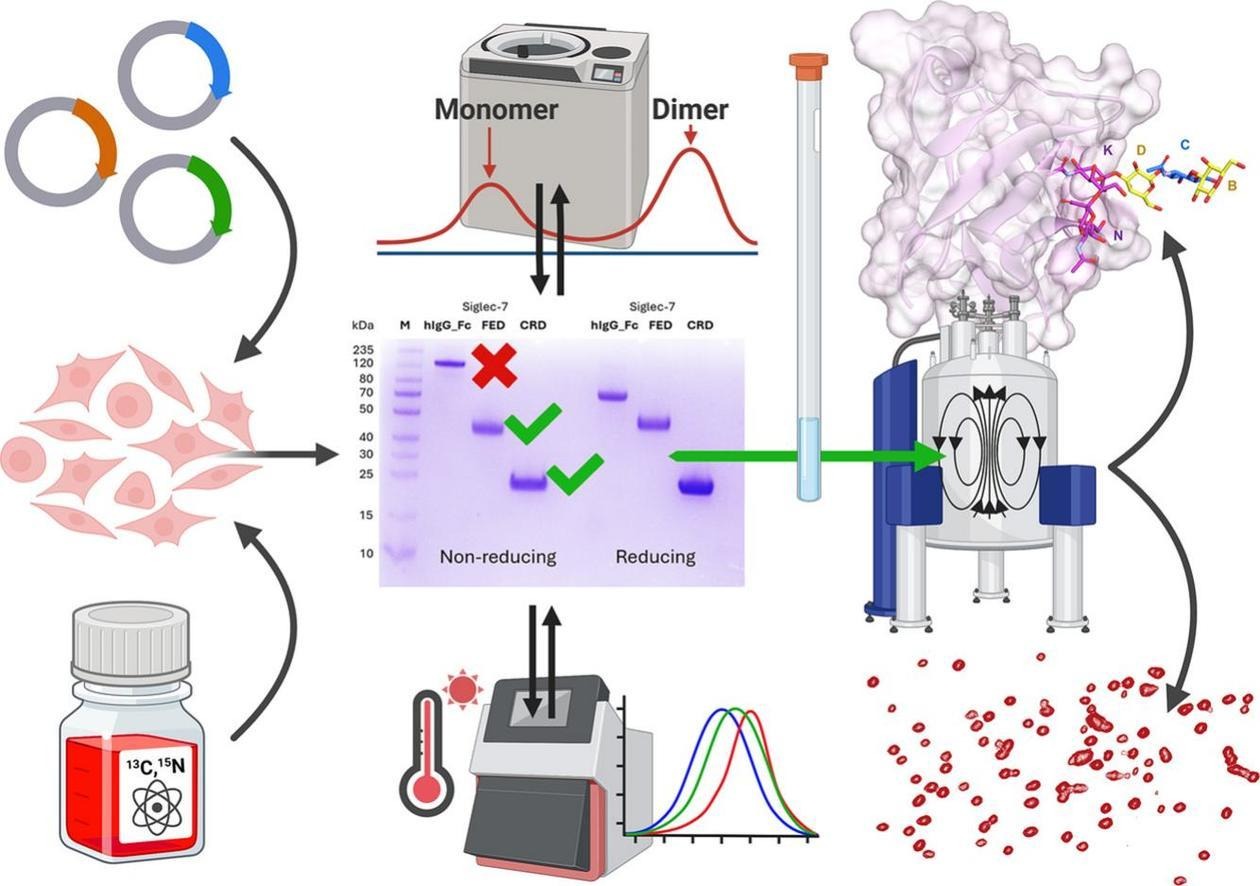
Our PhD student Celeste Abreu is the first author of a new paper published in the International Journal of Biological Macromolecules titled:“Insights into stability, dimerisation, and ligand binding properties of Siglec-7: Isotope labelling in HEK293 cells for protein characterisation by NMR spectroscopy” 3D model of disialylated pentaose bound to Siglec-7_CRD (PDB 2HRL) The study reports […]

GA CU Grant Awarded to Our Lab

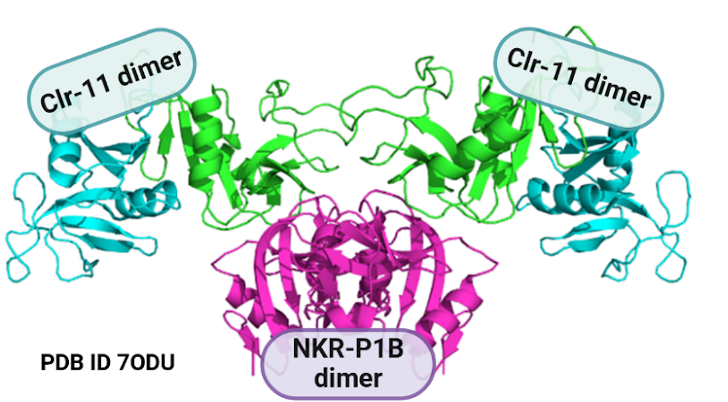
BSc. Jakub Jeníček from our laboratory has been awarded a Grant Agency of Charles University project to support our ongoing research into NK cell receptors’ structural and functional interactions with their ligands. This funding will enable us to investigate the molecular mechanisms of immune recognition further, focusing on the interaction of the rat NK receptor […]