Welcome to the Division of Animal Evolutionary Biology
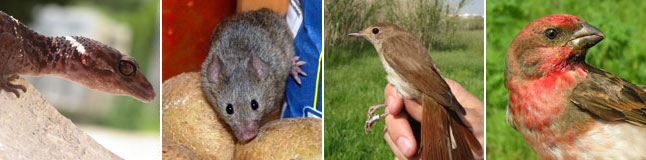
Division of Animal Evolutionary Biology is a part of the Department of Zoology, Faculty of Science of the Charles University. Our research is focused on studies of general evolutionary issues including speciation, genetics of adaptation, sensory and reproductive biology, evolution of immunity and sexual selection. We use various animal species including mammals, birds, reptiles and fish as model organisms. Our research combines diverse methodological approaches ranging from population genetics, phylogenetics and comparative genomics through morphometry and comparative anatomy to ecological and ethological studies in the field. Much of our involvement also centres on teaching including practicals and field excursions.
News & Events
 |
Text book: Vertebrate zoology
April, 2018 New edition of the text book on vertebratre zoology authored by Jiří Gaisler and Jan Zima has been published
| ||
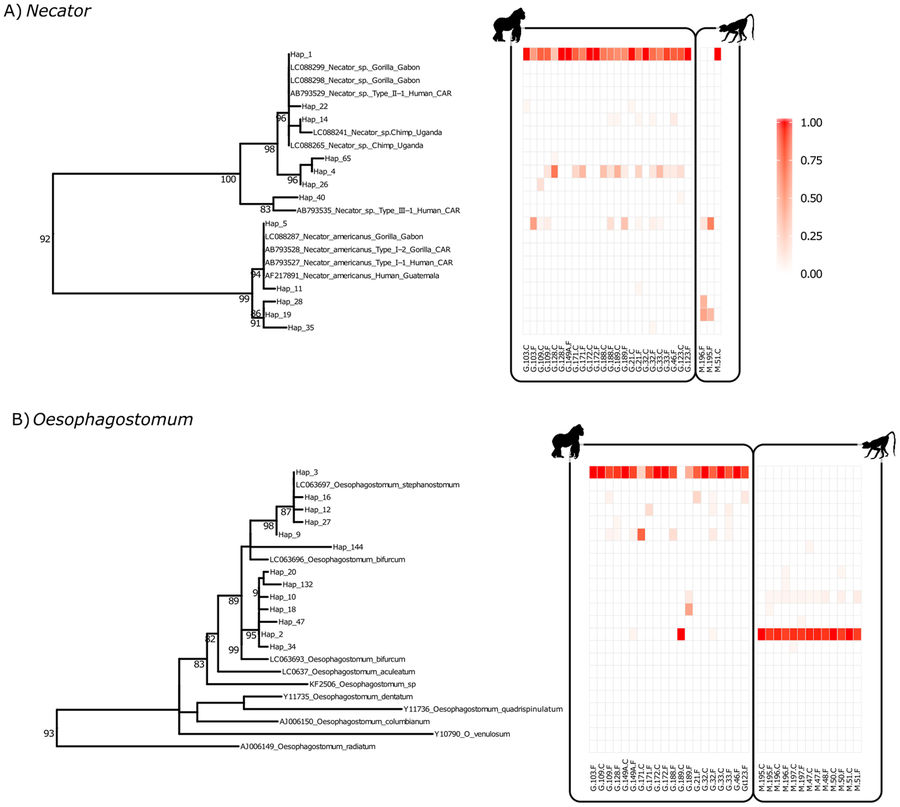 |
Publication: Metabarcoding analysis of strongylid nematode diversity in two sympatric primate species
April, 2018Jakub Kreisinger is a co-author of a study published in Scientific Reports.Strongylid nematodes in large terrestrial herbivores such as great apes, equids, elephants, and humans tend to occur in complex communities. However, identification of all species within strongylid communities using traditional methods based on coproscopy or single nematode amplification and sequencing is virtually impossible. We designed an ITS-2 metabarcoding methodology for strain-level identification of gastrointestinal strongylids and tested this approach in two free-ranging non-human primate species. Hidden diversity in the strongylid nematode communities was revealed. Consequently, this approach represents a time and cost-efficient way of studying strongylid communities and provides a resolution superior to traditional approaches.
| ||
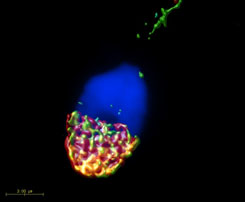 |
Publication: CD9 and CD81 Interactions and Their Structural Modelling in Sperm Prior to Fertilization
April, 2018Group of Reproductive Biology (Head Kateřina Dvořáková-Hortová) published a new research in International Journal of Molecular Sciences. They addressed the putative mechanism of CD9 and CD81 involvement in tetraspanin web formation in sperm and its activity prior to fertilization. The species-specific traits in CD9 and CD81 distribution during sperm maturation were compared between mice and humans. A mutual position of CD9/CD81 is shown in human spermatozoa in the acrosomal cap, however in mice, CD9 and CD81 occupy a distinct area. During the acrosome reaction in human sperm, only CD9 is relocated, compared to the relocation of both proteins in mice. The structural modelling of CD9 and CD81 homologous and possibly heterologous network formation was used to propose their lateral Cis as well as Trans interactions within the sperm membrane and during sperm–egg membrane fusion.
| ||
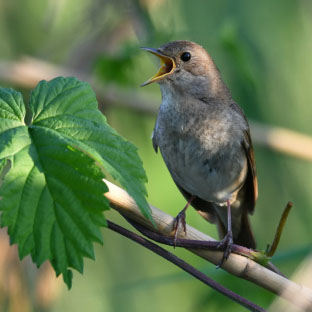 |
Publication: Can mixed singing facilitate coexistence of closely related nightingale species?
April, 2018Hana Kohoutová and Radka Reifová together with their colleagues from Department of Ecology and Institute for Environmental Studies published a paper in Behavioral Ecology. Mixed singing in songbirds is usually considered to result from erroneous learning from other species, but this study suggests it might be rather adaptive. The authors showed that that mixed singing of Thrush Nightingale males, which incorporate songs of the Common Nightingale in their repertoires in areas where both species co-occur, may help these two species to establish interspecific territoriality, and thus facilitate their coexistence before divergence in ecological niches evolves.
| ||
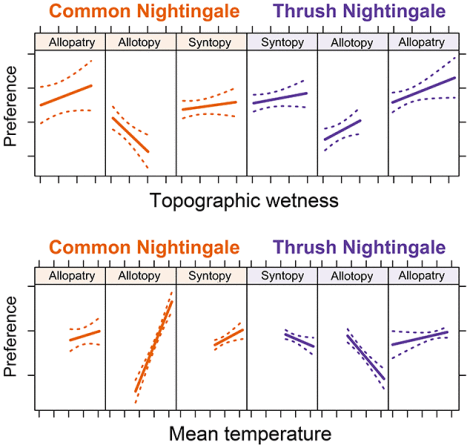 |
Two papers on the role of interspecific competition in speciation were published
March, 2018Radka Reifová, Jiří Reif and their colleagues published two papers on the role of interspecific competition in speciation using a model system of two closely related nightingale species. The first paper published in Journal of Animal Ecology provides an evidence for a competition-driven shift in habitat use in two nightingale species in their secondary contact zone. The species "escape" from competition by moving to habitats avoided by the competitor. The second paper was published in Journal of Evolutionary Biology. It focuses on the consequences of the habitat segregation in nightingales and shows that it leads to morphological changes in bill size, which are likely caused by different food supply in different habitats. The authors suggest that habitat segregation caused by competition between the species in the secondary contact zone may play an important role in the completion of the speciation process as it significantly increase the degree of premating isolation between species.
| ||
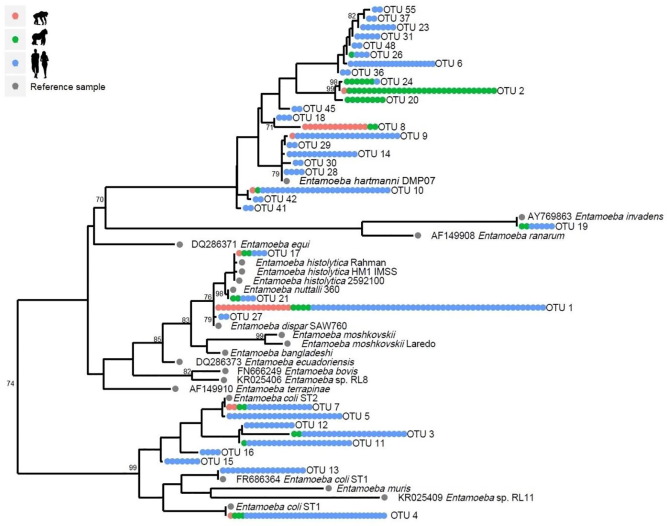 |
Publication: Diversity of Entamoeba spp. in African Great Apes and humans, an insight from llumina MiSeq high throughput sequencing
March, 2018Jakub Kreisinger is a co-author of a study published in International Journal for Parasitology. The authors describe, using 18S rDNA metabarcoding, the Entamoeba communities in humans, free-ranging western lowland gorillas and central chimpanzees living in the Dja Faunal Reserve in Cameroon. They detected 36 Entamoeba haplotypes belonging to six haplotype clusters, containing haplotypes possessing high and low host specificity. Most of the detected haplotypes belonged to commensal Entamoeba, however, the pathogenic species (Entamoeba histolytica and Entamoeba nuttalli) were also detected. They observed that some Entamoeba haplotypes are shared between humans and other hosts, indicating their zoonotic potential.
| ||
|
Team of Pavel Stopka publihed a paper in Frontiers in Genetics: Transcriptomic and Proteomic Profiling Revealed High Proportions of Odorant Binding and Antimicrobial Defense Proteins in Olfactory Tissues of the House Mouse.
February, 2018 | |||
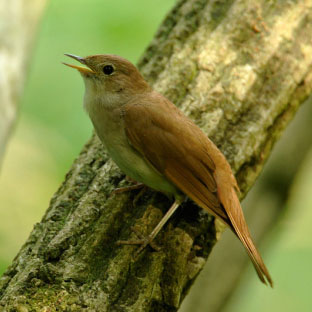 |
Publication: Genomic islands of differentiation in two songbird species reveal candidate genes for hybrid female sterility
February, 2018Libor Mořkovský, Radka Reifová and their colleagues published a paper in Molecular Ecology. The authors studied genetic basis of reproductive isolation in two closely related songbirds, the Common Nightingale and the Thrush Nightingale. These species hybridize in nature and produce viable hybrid progeny. In accordance with Haldane's Rule, hybrid females are sterile, while hybrid males are fertile. The authors identified genomic regions of reduced interspecific gene flow - the so called „islands of speciation“. These regions were enriched for genes related to female meiosis and metabolism. The study provides one of the first insights into genetic basis of hybrid female sterility in organisms with heterogametic females.
| ||
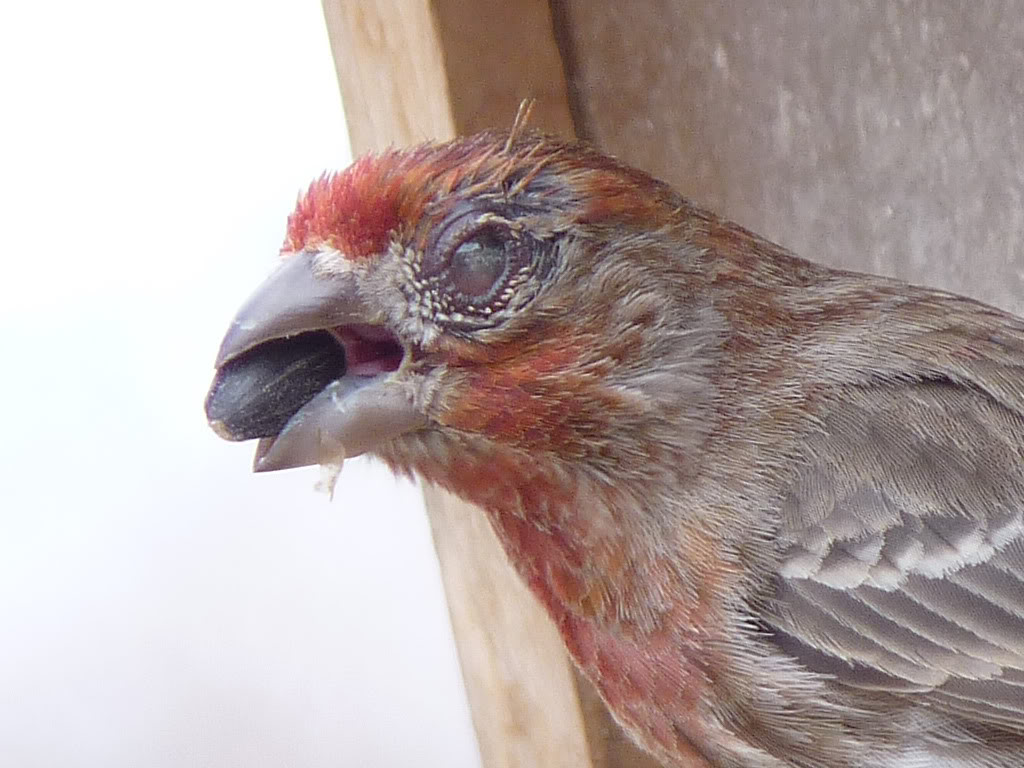 |
Publication: Differing House Finch Cytokine Expression Responses to Original and Evolved Isolates of Mycoplasma gallisepticum
January, 2018The recent emergence of the poultry bacterial pathogen Mycoplasma gallisepticum in free-living house finches (Haemorhous mexicanus) resulted in a rapid co-evolutionary arms-race between Mycoplasma and its novel avian host. During his Fubright stay at Virginia Tech, USA, Michal Vinkler worked with Dana Hawley on development of new probe-based one-step RT-qPCR assays for house finch cytokines to allow description of the house finch immune response to Mycoplasma infection. In a comparison of two distinct Mycoplasma lineages published in Frontiers in Immunology they showed that a more derived and virulent isolate triggers stronger local inflammatory cytokine signalling than an original isolate. Their results also suggest that the pathogenicity caused by Mycoplasma infection in house finches is largely mediated by host pro-inflammatory immune responses.
| ||
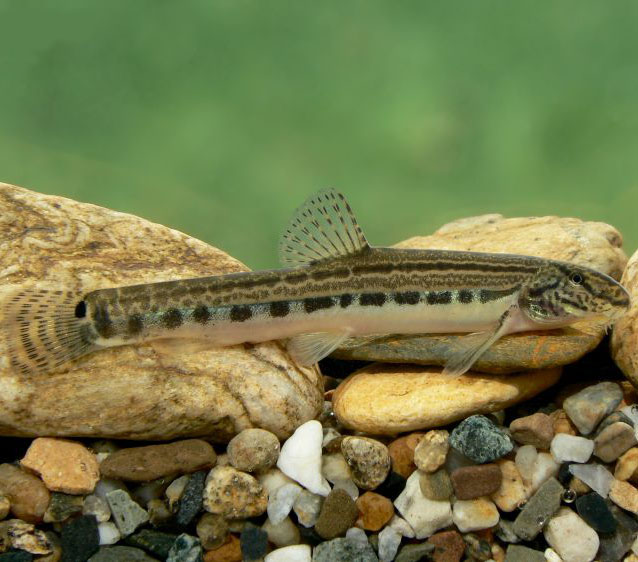 |
Publication: Hybrid asexuality as a primary postzygotic barrier between nascent species: On the interconnection between asexuality, hybridization and speciation
January, 2018Radka Reifová is a co-author of the study published in Molecular Ecology. This study demonstrates that hybridization results in sexual hybrids at the initial stages of divergence, but as the species diverge further, the gradual accumulation of reproductive incompatibilities between them could distort their gametogenesis towards asexuality. Interestingly, comparative analysis of published data revealed that hybrid asexuality generally evolves at lower genetic divergences than hybrid sterility or inviability. Given that hybrid asexuality effectively restricts gene flow, it may establish a primary reproductive barrier earlier during diversification than other "classical" forms of postzygotic incompatibilities. Hybrid asexuality may thus indirectly contribute to the speciation process.
| ||
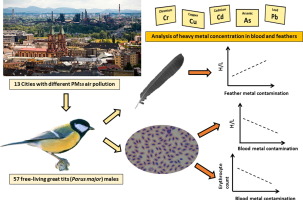 |
Publication: Associations of urban environmental pollution with health-related physiological traits in a free-living bird species
December, 2017Urban environmental pollution results in contamination of the tissues of synanthropic organisms by toxic trace elements with potential impacts on health. In their study published in the Science of The Total Environment members of the Laboratory for Ecological and Evolutionary Immunology (head Michal Vinkler) reported the associations between blood and plumage contamination with heavy metals and haematological traits in free-living great tits (Parus major) from different cities across the Czech Republic. This is the first study to show on a large geographic scale that non-degradable heavy metals persistently contaminate animal blood and feathers in anthropogenic environments at levels that may have subclinical yet physiological effects with varied influence on health.
| ||
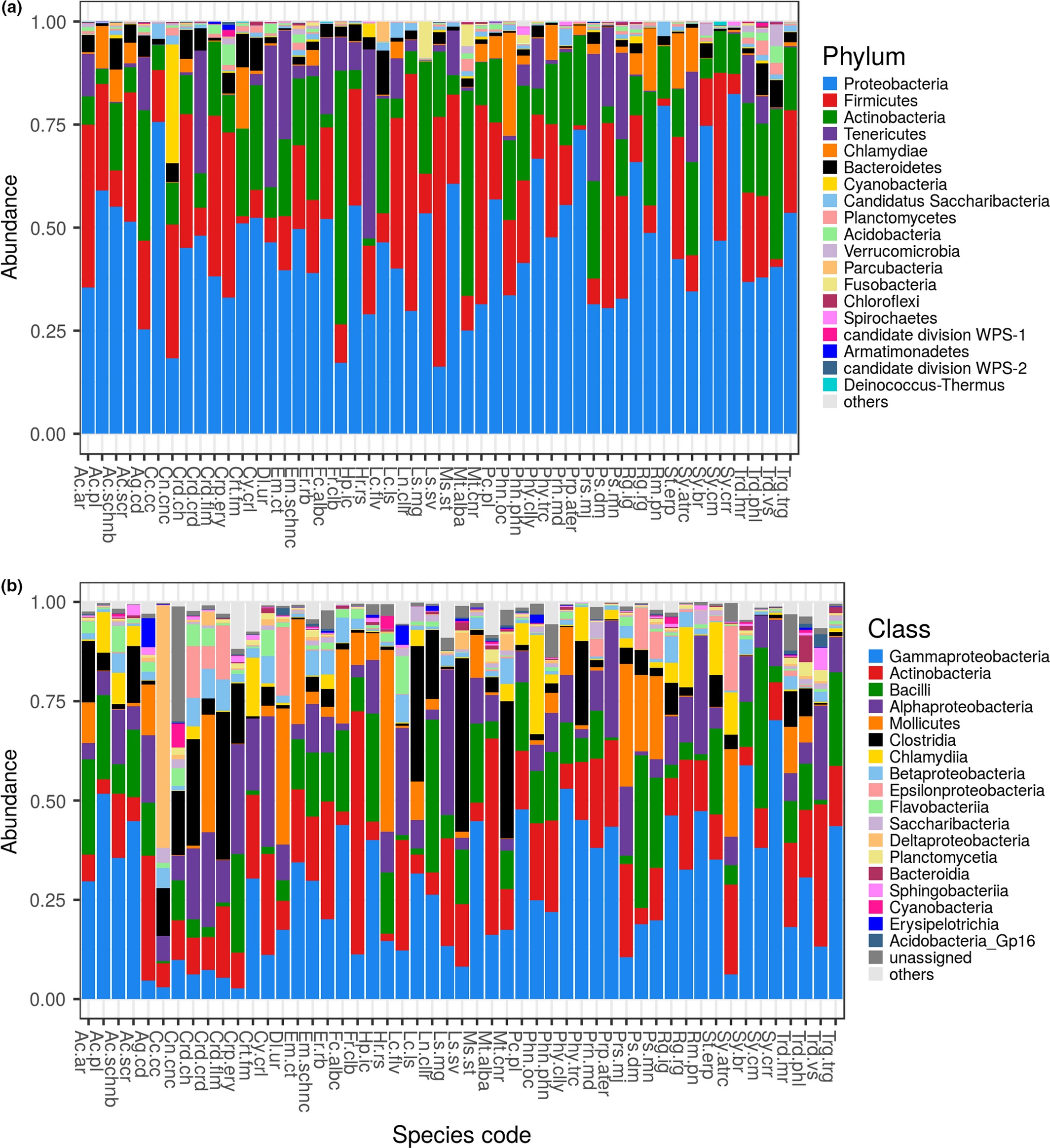 |
Publication: Co-diversification of gastrointestinal microbiota and phylogeny in passerines is not explained by ecological divergence
October, 2017The group of Jakub Kreisinger published a paper in Molecular Ecology. The authors analysed data on faecal microbiota composition in 51 passerine species using sequencing of bacterial 16S rRNA. Despite pronounced interindividual variation, gut microbiota (GM) composition exhibited significant differences at the interspecific level, accounting for approximately 20%-30% of total GM variation. They observed a significant correlation between GM composition divergence and host's phylogenetic divergence, with strength of correlation higher than that of GM vs. ecological or life history traits and geographic variation. However, the analyzes do not support that GM vs. host's phylogeny codiversification is driven primarily through trans-generational GM transfer. Instead, the authors hypothesize that the GM vs. phylogeny correlation may arise as a consequence of interspecific divergence of genes that directly or indirectly modulate composition of GM.
| ||
|
Zuzana Musilová is a co-autor of a paper in the ISME Journal: Convergence of gut microbiotas in the adaptive radiations of African cichlid fishes.
September, 2017 | |||
|
Team of Pavel Stopka publihed a paper in Scientific Reports: Differential regulation of vaginal lipocalins (OBP, MUP) during the estrous cycle of the house mouse.
September, 2017 | |||
|
Tomáš Albrecht is a co-autor of a paper in Nature Ecology & Evolution: A sex-chromosome inversion causes strong overdominance for sperm traits that affect siring success.
August, 2017 | |||
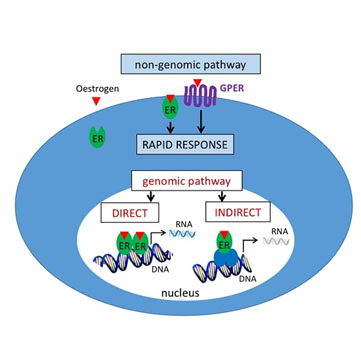 |
Publication: Of Oestrogens and Sperm: A Review of the Roles of Oestrogens and Oestrogen Receptors in Male Reproduction
April, 2017Group of Reproductive Biology (Head Katerina Dvořáková-Hortová) published in International Journal of Molecular Sciences summary of the current knowledge on oestrogen signalling during spermatogenesis and sperm maturation and discuss the available information on oestrogen receptors and their splice variants. An overview is given of species-specific differences including in humans, along with a detailed summary of the methodology outcome, including all the genetically manipulated models available to date. Coherent information is provided on the recently discovered mechanisms of oestrogens’ and oestrogen receptors’ effects and action in both testicular somatic and germ cells, as well as in mature sperm, available for mammals, including humans.
| ||
|
Pavel Němec is a co-autor of a paper in Scientific Reports: Selective binocular vision loss in two subterranean caviomorph rodents: Spalacopus cyanus and Ctenomys talarum.
February, 2017 | |||
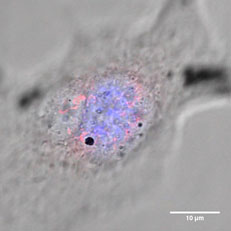 |
Publication: Horizontal transfer of whole mitochondria restores tumorigenic potential in mitochondrial DNA-deficient cancer cells
February, 2017Kateřina Dvořáková-Hortová and Pavel Stopka are co-authors of a study published in eLife Sciences. The authors discovered that mtDNA is acquired by transfer of whole mitochondria from the host animal, leading to normalisation of mitochondrial respiration. The results show that intact mitochondria with their mtDNA payload are transferred in the developing tumour and provide functional evidence for an essential role of oxidative phosphorylation in cancer.
| ||
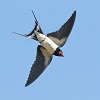 |
Publication: Temporal Stability and the Effect of Transgenerational Transfer on Fecal Microbiota Structure in a Long Distance Migratory Bird
February, 2017Jakub Kreisinger, Tomáš Albrecht and coworkers from the Department of Zoology (Charles University) and Institute of Vertebrate Biology (Czech Academy of Science) recently published in Frontiers in Microbiology research on temporal stability and transgenerational transfer of gut microbiota. Gut microbiota is often considered an integral part of the host’s phenotype, inducing long-term effect on traits associated with fitness. Consequently, gut microbiota may serve as a substrate for natural selection which assumes, however, its high temporal stability and trans-generational heritability. These two crucial assumptions were tested in wild population of barn swallow. Overall effect sizes for microbiota stability in time were low. Nevertheless, a subset of microbiota exhibiting significant temporal consistency both at the within and among-season timescale and possibly inducing long-term effects on the host phenotype was identified.
| ||
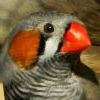 |
Publication: Trade-off between carotenoid-based sexual ornamentation and sperm resistance to oxidative challenge
January, 2017Oldřich Tomášek, Tomáš Albrecht and colleagues published a paper in Proceedings of the Royal
Society B: Biological Sciences testing the hypothesis that more intense male carotenoid-based sexual
ornamentation signals higher sperm resistance to oxidative stress from free radicals. The results of
their experiment on zebra finches challenges this hypothesis and even suggests the opposite, i.e. that
males investing more in ornamentation have sperm that are less resistant to free radicals. The study
also showed that dietary lutein reduces the proportion of abnormal sperm in ejaculate, suggesting
that carotenoid deficiency may be one of the causes of impaired male fertility.
| ||
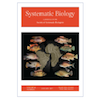 |
Publication: Bayesian phylogenetic estimation of clade ages supports trans-Atlantic dispersal of cichlid fishes
January, 2017Zuzana Musilová and Zuzana Starostová are co-authors of the study published in
Systematic Biology. The study is based on a large data set including sequence data from over
1000 species of teleost fishes as well as 147 carefully selected fossils to obtain the robust
and reliable divergence time estimates of different fish lineages. The results of the study
provide also strong evidence for transoceanic dispersal of cichlids and other groups of
teleost fishes. Since the rise of molecular clock, such dispersals raised questions in
biogeography and ichthyology. The study was selected for the cover page image of the
journal issue.
| ||
 |
Dean's Award: Our student, Martin Těšický, obtained a Dean's Award for the outstanding Master thesis. Congratulations!
December, 2016 | ||
|
Team of Pavel Stopka publihed a paper in Scientific Reports: On the saliva proteome of the Eastern European house mouse (Mus musculus musculus) focusing on sexual signalling and immunity.
October, 2016 | |||
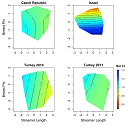 |
Publication: Phenotypic differentiation is associated with divergent sexual selection among closely related barn swallow populations
September, 2016Data from Czech barn swallows were used in a study published in Journal of Evolutionary Biology focusing on the role of sexual selection in
the diversification of phylogenetic clades and trait divergence during speciation. Sexual selection
pressures for multiple male visual signals was assessed across four barn swallow (Hirundo rustica)
populations (Czech Republic, Romania, Turkey, Israel) of two subspecies (rustica and transitiva). The
study demonstrated significant phenotypic differentiation in four sexual signalling axes, despite very
low-level genomic divergence and no comparable divergence in an ecological trait. Collectively, the
results suggest that sexual selection is the primary driver of phenotypic differentiation in barn
swallows and add to growing evidence of phenotypic divergence with gene flow.
| ||
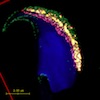 |
Publication: Characterization of CD46 and β1 integrin dynamics during sperm acrosome reaction
September, 2016Group of Kateřina Dvořáková-Hortová published a new research in Scientific Reports journal. They studied the acrosome reaction, a process of membrane fusion and lytic enzyme release, which enables sperm to penetrate the egg surroundings. Using super resolution microscopy, they demonstrated a dynamic CD46 protein reorganisation over the sperm head during the acrosome reaction, and its interaction with transmembrane protein integrins, which was confirmed by proximity ligation assay. Furthermore, they propose their joint involvement in actin network rearrangement. Moreover, CD46 and ?1 integrins are expected to be involved in signal transduction pathways directing the acrosome stability and essential protein network rearrangements prior to gamete fusion.
| ||
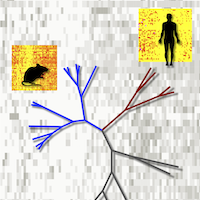 |
Publication: Role of transposable elements in gene family expansions in mammals
August, 2016Václav Janoušek and colleagues of the Institute of Vertebrate Biology (CAS) and University of Arizona published a study in Genome Biology and Evolution journal. Authors reported a relationship between transposable elements accumulation and expansion of gene families in the human and mouse genome. Two large classes of transposable elements (LINEs, LTRs) were found to be associated with gene families, yet their role differ. LINEs are supposed to contribute structurally, driving the gene family expansion. LTRs contribute to the process of sub/neofunctionalisation.
| ||
 |
Publication: Genome-wide differentiation in closely related populations: the roles of selection and geographic isolation
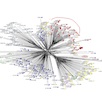
July, 2016Tomáš Albrecht participated on research (led by Rebecca Safran, University of Colorado, Boulder)
focusing on speciation of barn swallows. In paper published in Molecular Ecology they investigated
the relative contributions of selection and geographic distance to genome-wide differentiation
among allopatric barn swallow populations of four subspecies. Using statistical approaches to control
for spatial autocorrelation of phenotypic variables and geographic distance, they found that
divergence in traits related to migratory behaviour and sexual signalling, as well as geographic
distance, together explained over 70% of genome-wide divergence among populations. By combining
these results with prior studies of how selection shapes morphological differentiation and accounting
for spatial autocorrelation, they inferred that morphological adaptation played a large role in shaping
population-level differentiation in barn swallows.
| ||
|
Team of Pavel Stopka publihed a paper in Frontiers in Ecology and Evolution: Mouse lipocalins (MUP, OBP, LCN) are co-expressed in tissues involved in chemical communication.
July, 2016 | |||
 |
Course: Analysis of molecular data
June, 2016Advanced methods in DNA sequence and mulilocus data analyses (MB120P143). Course will take place in the winter term 2016/2017.
| ||
 |
Zuzana Musilová with colleagues published a paper in Journal of Experimental Biology: From crypsis to mimicry: changes in colour and the configuration of the visual system during ontogenetic habitat transitions in a coral reef fish.
June, 2016The study focuses on how ontogenetic changes in body colouration and of the visual system relate to habitat transitions in a coral-reef fish. Adult dusky dottybacks (Pseudochromis fuscus), are aggressive mimics that change colour to imitate various fishes in their surroundings. Juveniles of these fish are present in the pelagic zone and only later in development they associate with the coral reef. The mimicry coloration and the perception skills change then dramatically at the time of the habitat transition.
| ||
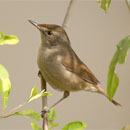 |
Publication: Patterns of gene flow and selection across multiple species of Acrocephalus warblers: footprints of parallel selection on the Z chromosome.
June, 2016Radka Reifová and colleagues published a paper in BMC Evolutionary Biology describing evolutionary history of recenty radiated Acrocephalus warblers. The study brings the first evidence that gene flow occurred during Acrocephalus radiation and not only between sister species. The authors also found independent instances of positive selection at the same loci in multiple species indicate an interesting possibility that the same loci might have contributed to reproductive isolation in several speciation events.
| ||
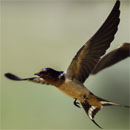 |
Publication: Signal Traits and Oxidative Stress: A Comparative Study across Populations with Divergent Signals
May, 2016T. Albrecht and O. Tomášek investigated, jointly with researchers from Cornell University Ithaca and
University of Colorado, Boulder, the hypothesis that the relationship between signal trait elaboration
and a central component of organismal health—oxidative stress—differs across closely related
populations that have diverged in signal use and preferences, using barn swallows as a model
system. The traits of interest were melanin based coloration of ventral feathers (sexual signal in
north American Hirundo rustica erythrogaster) and tail streamer length (sexual signal in European
barn swallows). They found that while some phenotypic traits appear to be capable of conveying
similar physiological information regardless of their use as signals, divergence in other phenotypic
traits (tail streamer length versus ventral feather colouration) may be associated with shifts in their
information content (associated with increased oxidative stress in one population but not in the
other one). The paper was published in Frontiers in Ecology and Evolution
| ||
|
Team of Pavel Němec publihed a paper in PNAS: Birds have primate-like numbers of neurons in the forebrain.
May, 2016 | |||
|
Pavel Němec and colleagues published a paper in PROCEEDINGS OF THE ROYAL SOCIETY B-BIOLOGICAL SCIENCES: Absolute, not relative brain size correlates with sociality in ground squirrels
March, 2016 | |||
|
Michal Vinkler with colleagues publihed a paper in PLoS One: Genetic Diversity of NHE1, Receptor for Subgroup J Avian Leukosis Virus, in Domestic Chicken and Wild Anseriform Species.
March, 2016 | |||
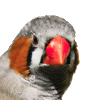 |
Publication: Opposing effects of oxidative challenge and carotenoids on antioxidant status and condition-dependent sexual signalling
March, 2016Oldřich Tomášek, Tomáš Albrecht and collegues published a paper in Scientific Reports. Their study provides an experimental support for an adverse effect of free radical exposure on carotenoid-based sexual ornamentation, as well as for, recently questioned, antioxidant function of carotenoids in birds. Together, the results support the hypothesis proposing that oxidative stress links ornament expression to individual body condition, thereby playing an important role in the evolution of carotenoid-based sexual signalling.
| ||
 |
Unix and genomic data: A new advanced course focusing on manipulation and analysis of the large genomic data in the Unix system.
September, 2015The course is going to be held during weekend January 8-10, 2016 | ||
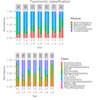 |
Publication: Cloacal Microbiome Structure in a Long-Distance Migratory Bird Assessed Using Deep 16sRNA Pyrosequencing
September, 2015Jakub Kreisinger and colleagues used deep pyrosequencing to describe the cloacal microbiome composition in free-living barn swallows Hirundo rustica, a long-distance migratory passerine bird. The paper published in PLoS One journal reports several bacteria phyla dominate the cloacal microbiome of barn swallows. However, Bacteroidetes, a common group of the digestive tract in many vertebrate species, was relatively rare in barn swallow. In addition, finding of a significant correlation of cloacal microbiome within breeding pair members is consistent with the hypothesis that the cloacal contact during within-pair copulation may promote transfer of bacterial assemblages.
|
||
|
Veronika Javůrková and colleagues published paper in Journal of Experimental Zoology Part A Ecological Genetics and Physiology: Effects of experimentally increased in ovo lysozyme on egg hatchability, chicks complement activity, and phenotype in a precocial bird
July, 2015 | |||
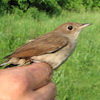 |
Publication: Interspecific territoriality in two songbird species: potential role of song convergence in male aggressive interactions
June, 2015Radka Reifová with colleagues from the Institute of Environmental Studies and Department of Ecology published a paper in Animal Behaviour. The paper reports on pattens of interspecific territoriality in a secondary contact zone between the Common nightingale and the Thrush nigtingale. They suggest that song convergence observed in a secondary contact zone might be an adaptive response to interspecific interference competition.
|
||
|
Team of Tomáš Albrecht publised paper in Behavioral Ecology and Sociobiology on brood parasitism in European barn swallow.
June, 2015 | |||
|
Martin Těšický and Michal Vinkler published paper in Journal of Immunology Research on trans-species polymorphism in immune genes.
May, 2015 | |||
|
Libor Mořkovský and Radka Reifová with colleagues published paper in Molecular Ecology Resources: Scrimer: designing primers from transcriptome data.
March, 2015 | |||
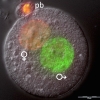 |
Publication: Methylation analysis of histone H4K12ac-associated promoters in sperm of healthy donors and subfertile patients
March, 2015 The new study by Kateřina Hortová, Barbora Dudková and their colleagues from the University of Giessen and Fertility centers in Germany was published in the Clinical epigenetics. It has been shown that aberrant histone acetylation within developmentally important gene promoters in subfertile men, but not DNA methylation, may reflect insufficient sperm chromatin compaction affecting the transfer of epigenetic marks to the oocyte.
|
||
|
Seminar (March 17): Jamie C. Winternitz from the Institute of Vertebrate Biology (AS CR): Sexual selection, parasites, and immune gene variation in wild populations.
March, 2015 | |||
|
Members of our group on BBC: The publication by Alena Syrůčková and Pavel Munclinger on monogamy of European beavers has got attention by the British news channel.
March, 2015 | |||
|
Seminar (March 3): Robert Karn from the University of Arizona is going to speak this week on characterization of an Abp knockout mouse.
February, 2015 | |||
|
Radka Reifová and Lucie Kropáčková with colleagues published paper in Journal of Evolutionary Biology: Maternal-fetal genomic conflict and speciation: no evidence for hybrid placental dysplasia in crosses between two house mouse subspecies.
February, 2015 | |||
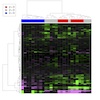 |
Publication: Functional organization of the genome may shape the species boundary in the house mouse
February, 2015 The boundary between two house mouse subspecies (Mus musculus musculus/M. m. domesticus) was known to be semi-permeable. The new study by Václav Janoušek, Pavel Munclinger and their colleagues from the University of Michigan published in the Molecular Biology and Evolution journal showed that functional composition of genes, population differentiation and rate of recombination is associated with the genomic permeability (i.e. gene exchange) in the house mouse hybrid zone. Their finding suggests that functional organization of the genome may be an important driver in species divergence and subsequently in the evolution of reproductive isolation.
|
||
|
Tomáš Albrecht with colleagues published paper in Evolution: Postcopulatory sexual selection is associated with accelerated evolution of sperm morphology.
February, 2015 | |||
|
Michal Vinkler and Hana Bainová with colleague published paper in Genetics Selection Evolution: Protein evolution of Toll-like receptors 4, 5 and 7 within Galloanserae birds.
December, 2014 | |||
|
Tomáš Albrecht with colleagues published paper in PLoS ONE: Sperm Morphology in Two House Mouse Subspecies: Do Wild-Derived Strains and Wild Mice Tell the Same Story?
December, 2014 | |||
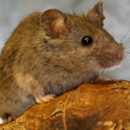 |
THE CENTRAL EUROPEAN MEETING ON GENES, GENE EXPRESSION, AND BEHAVIOUR
October, 2014 The meeting is to be held in the Czech Republic in Nové Hrady from October 30 to November 1, 2014. The conference is organized by the Department of Zoology, Faculty of Science, Charles University in Prague and Institute of Vertebrate Biology Academy of Sciences of the Czech Republic (IVB AS CR).
|
||
|
Jakub Kreisinger with colleagues published paper in Molecular Ecology: Gastrointestinal microbiota of wild and inbred individuals of two house mouse subspecies assessed using high throughput parallel pyrosequencing.
September, 2014 | |||
|
Pavel Munclinger and Alena Syrůčková published paper in Evolutionary Applications: Nuclear and mitochondrial genetic structure in the Eurasian beaver (Castor fiber) - implications for future reintroductions.
June, 2014 | |||
|
Kateřina Dvořáková-Hortová and Pavel Stopka with colleagues published paper in PLoS ONE: Toxoplasma gondii decreases the reproductive fitness in mice.
June, 2014 | |||
 |
Achievement: Zuzana Starostová won L'Oréal-UNESCO Award for Women in Science
May, 2014 Zuzana Starostová, a member of our group, won prestigious award of L'Oréal-UNESCO for Women in Science. Congratulation!
|
||
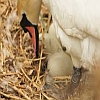 |
Publication: Effect of intermittent incubation and clutch covering on the probability of bacterial trans-shell infection
April, 2014 Role of bacteria on reproductive success and reproductive behaviour of birds has been widely neglected. Most recent correlative studies revealed relationship between intensity of eggshell bacterial load and egg hatchability. However, if such relationship really exists, mechanisms reducing this deleterious effect must have been evolved. Incubation and clutch covering with nest lining during the egg laying period might have been ones of them.
|
||
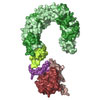 |
Publication: First evidence of independent pseudogenization of Toll-like receptor 5 in passerine birds
April, 2014 Toll-like receptor 5 (TLR5) is an innate immunity receptor crucial in detection of bacterial flagellin in vertebrates. In the recent study Hana Bainová and colleagues (Bainová et al., Developmental & Comparative Immunology) have made an unexpected discovery that in several phylogenetic lineages of passerine birds the loss of a functional TLR5 gene copy occurred. This happened at least 7 times independently. The lack of a functional TLR5 might increase the risk of bacterial infections. This unique phenomenon of TLR5 pseudogenization has not been described before in other animals.
|
||
|
Pavel Němec with colleagues published paper in Proceedings of the Royal Society: Odours stimulate neuronal activity in the dorsolateral area of the hippocampal formation during path integration.
March, 2014 | |||
|
Michal Vinkler, Pavel Muncliner, Tomáš Albrecht with colleagues published paper in Behavioral Ecology and Sociobiology: Effects of heterozygosity and MHC diversity on patterns of extra-pair paternity in the socially monogamous scarlet rosefinch.
March, 2014 | |||
|
Kateřina Dvořáková-Hortová with colleagues published paper in Reproduction: Progress of sperm IZUMO1 relocation during spontaneous acrosome reaction.
December, 2013 | |||